Former NFL Lineman Rips The League For Pretending To Care About Mental Health Following Rondale Moore’s Apparent Suicide
ale Moore sent shockwaves throughout the football community as fans, players, and coaches grappled with the tragic loss of such a promising young talent. Moore’s death not only raised questions about mental health and the pressures faced by professional athletes, but also highlighted the importance of reaching out for help and supporting those in need.
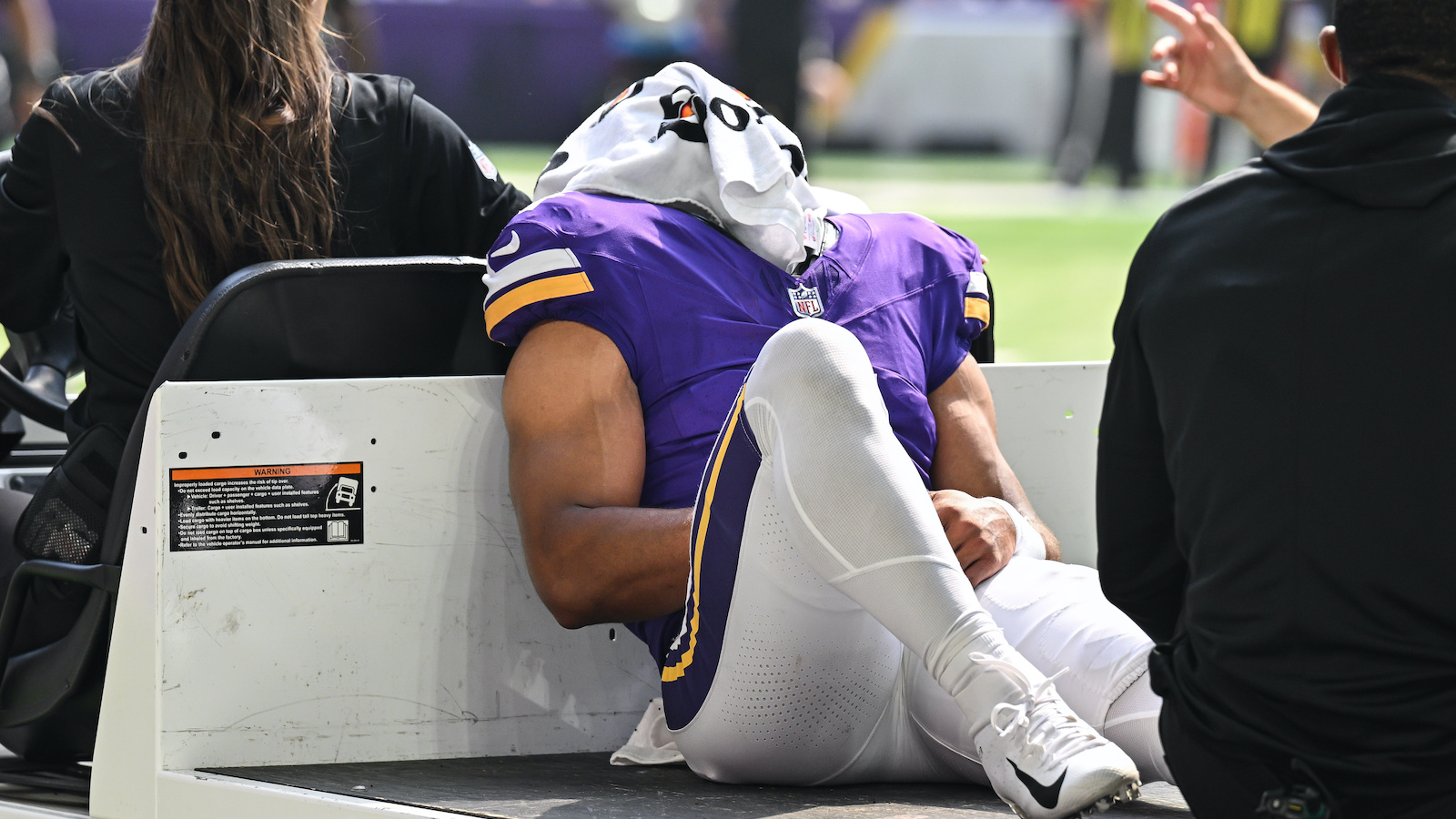
Rondale Moore was a standout wide receiver for the Minnesota Vikings, known for his speed, agility, and playmaking ability. He was drafted in the first round of the NFL Draft just a few years ago and had quickly become a fan favorite with his electrifying performances on the field. Moore’s death came as a shock to many, as he seemed to have a bright future ahead of him in the NFL.
As news of Moore’s death spread, tributes poured in from his teammates, coaches, and fans. Many remembered him as a dedicated and hardworking player, always willing to put in the extra effort to succeed. Others spoke of his infectious personality and the positive impact he had on those around him. It was clear that Moore’s loss had left a void in the hearts of those who knew him best.
The circumstances surrounding Moore’s death were particularly troubling. Reports indicated that he had died of a self-inflicted gunshot wound, leading many to wonder what could have driven such a talented and successful young man to take his own life. As the shock of his death began to settle in, discussions about mental health in professional sports resurfaced, with many calling for greater resources and support for athletes facing mental health challenges.
The pressures faced by professional athletes are well-documented, with the demands of competition, media scrutiny, and fan expectations often taking a toll on their mental well-being. The stigma surrounding mental health in sports can make it difficult for athletes to seek help when they need it most, leading to tragic outcomes like Moore’s death. As the football world mourned the loss of one of its brightest young stars, many began to reflect on the importance of addressing mental health issues in sports and providing athletes with the support they need to thrive both on and off the field.
In the wake of Moore’s death, the NFL community came together to honor his memory and support those who were affected by his passing. Teams held moments of silence before games, players wore decals with Moore’s initials on their helmets, and fans paid tribute to him on social media. The outpouring of love and support for Moore’s family and friends was a testament to the impact he had made in his short time in the league.
As the shock of Moore’s death began to fade, the conversation turned to how his legacy could be honored and what steps could be taken to prevent similar tragedies in the future. Many called for increased mental health resources for athletes, including therapy, counseling, and support groups. Others advocated for greater awareness and education about mental health issues in sports, in order to reduce the stigma and encourage athletes to seek help when they need it.
In the months following Moore’s death, the NFL implemented several initiatives aimed at supporting the mental health of its players. Teams hired mental health professionals to work with athletes, established confidential support hotlines, and provided education and resources on mental health and wellness. The league also partnered with mental health organizations to raise awareness and reduce the stigma surrounding mental health in sports.
The death of Rondale Moore was a wake-up call for the NFL and the broader sports community, highlighting the need for greater support and resources for athletes facing mental health challenges. Moore’s tragic passing served as a reminder of the pressures faced by professional athletes and the importance of reaching out for help when needed. As the football world continued to mourn the loss of one of its brightest stars, it also looked towards a future where mental health was treated with the same urgency and importance as physical health in sports.
In the years following Moore’s death, his memory lived on in the hearts of fans, players, and coaches alike. His legacy as a talented athlete and a beloved teammate inspired others to seek help and support when facing mental health challenges. The NFL continued to prioritize mental health initiatives, ensuring that players had the resources and support they needed to thrive both on and off the field.
Rondale Moore’s death was a tragedy that shook the NFL world to its core, but it also served as a catalyst for change. His legacy as a talented and dedicated athlete will always be remembered, but his untimely passing also sparked important conversations about mental health in sports and the need for greater support and resources for athletes facing mental health challenges. As the football community continued to mourn the loss of one of its brightest stars, it also looked towards a future where mental health was prioritized and athletes were encouraged to seek help when needed. In the end, Rondale Moore’s legacy was not just in his accomplishments on the field, but in the lasting impact he had on those around him and the changes he inspired in the sports world.
Source: BroBible




 LIVE
LIVE LIVE
LIVE


